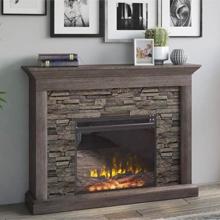
Faux fireplaces with mantels are having a moment—and honestly, it makes sense. You get that cozy “fireplace focal point” look, you can run the flames with zero heat, and you don’t have to deal with soot, venting, or a remodel. But before you click “buy,” it helps to know what you’re actually getting, what to watch for, and which features matter most.
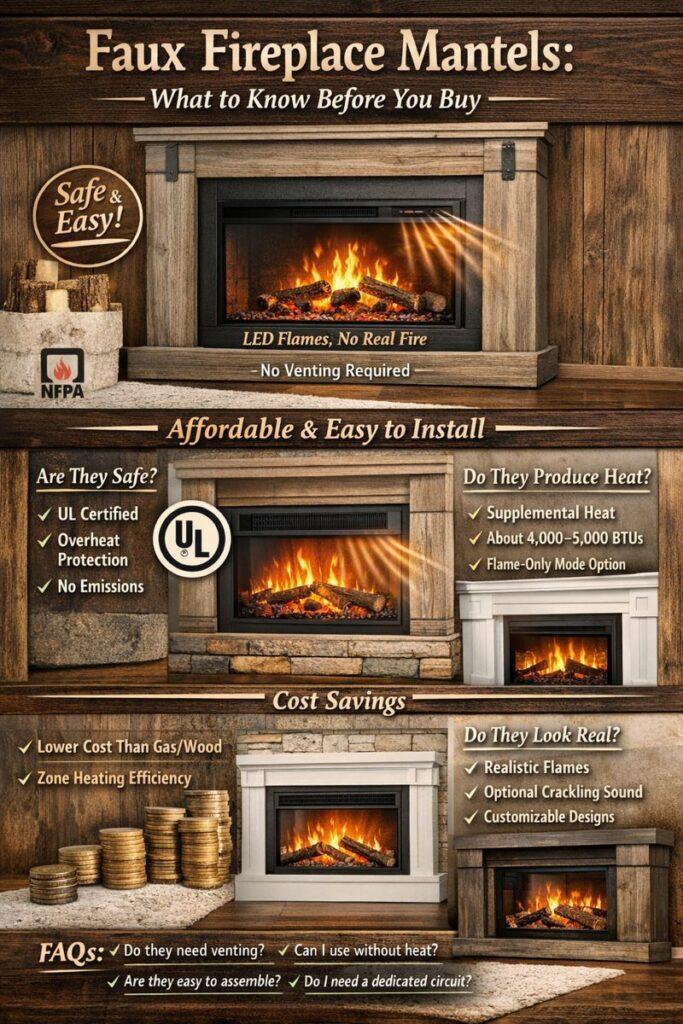
Are Faux Fireplaces Safe to Use Indoors?
Yes—when you buy a quality unit and use it correctly, faux (electric) fireplaces are considered very safe for indoor use. The “flames” are created by LED lighting effects, so there’s no real combustion, no sparks, and no smoke. That means no creosote buildup, no carbon monoxide concerns from burning fuel, and no ash floating around your living room.
Most units also include built-in protection like thermal cutoffs and automatic shutoff features to reduce overheating risk. The National Fire Protection Association has extensive safety guidance on home heating and fire prevention, and electric fireplaces are generally associated with fewer risks than wood-burning setups when used as directed.
One simple rule: stick with reputable brands and look for recognized safety certifications like UL from Underwriters Laboratories. And always follow the manufacturer’s clearance guidelines (especially around curtains, bedding, and rugs).
Little Known Fact: Electric fireplaces avoid combustion-related risks (like carbon monoxide) and can be very efficient for zone heating when you only warm the room you’re actually using.
It’s also why they’ve become a go-to upgrade for renters and homeowners alike: you can get the fireplace vibe without turning your house into a construction zone—or stressing about open flames around kids and pets.
Do Fake Fireplaces Emit Any Warmth?
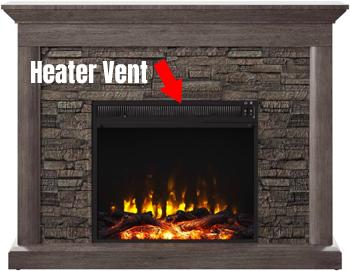
Many faux fireplaces do give off heat—but think of them as “supplemental warmth” more than “whole-house heating.” Most mantel electric fireplaces include a built-in heater with adjustable settings, and a common output range is roughly 4,000–5,000 BTUs. That’s usually enough to take the chill off a bedroom, office, or living room area—especially if you keep doors closed.
For big open-concept spaces, they’re still helpful, but you’ll get the best results when you treat them like zone heaters: warm the room you’re in instead of blasting central heat through the entire house. The U.S. Department of Energy has great info on zone heating and how it can reduce overall heating costs.
Little-Known Fact: Electric fireplaces don’t lose heat up a chimney—so the heat they produce stays in the room instead of disappearing outdoors.
One more bonus: almost all models let you run the flame effects without heat. So even when it’s warm outside, you can keep the cozy glow going with minimal energy use.
How Difficult is it to Install a Freestanding Fireplace Mantel?
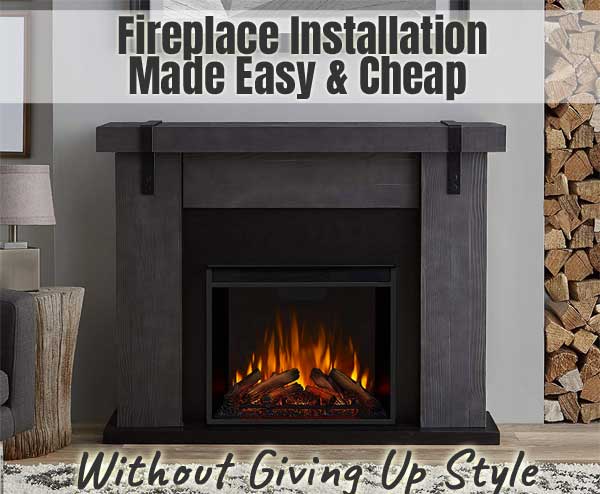
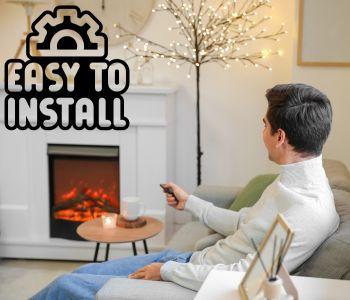
Compared to a traditional fireplace? It’s night-and-day easier. Most freestanding faux fireplace mantels are designed for DIY setup. You’re typically assembling the surround (like furniture), sliding the firebox in, and plugging it into a standard outlet.
Some models arrive close to assembled, others come in panels with clear instructions. Either way, you don’t need venting, a chimney, or gas lines. If you want an example of a mantel-style unit that’s built for simple installation, see how the Aspen-style setup comes together.
Tip: pick your location first. Make sure you have a nearby outlet, solid wall space, and enough clearance so the heater vent isn’t blocked by furniture.
Can You Customize Your Hearth’s Appearance?
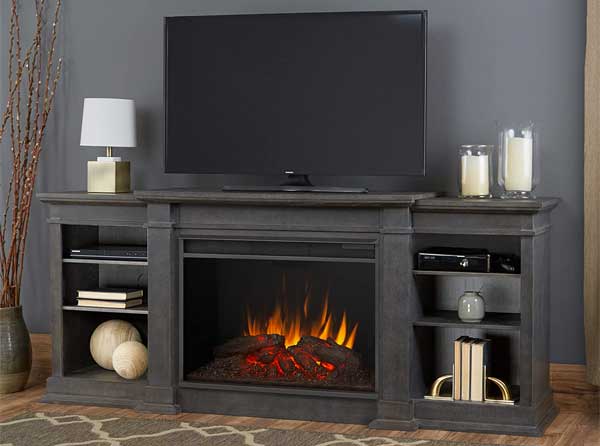
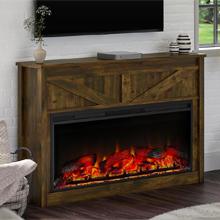
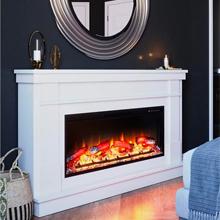
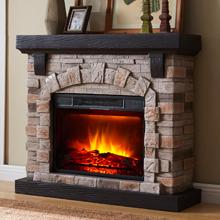
Absolutely. This is one of the biggest reasons faux fireplaces are so popular right now. You can choose surrounds that look like wood, faux stone, or sleek composite finishes. Many electric fireboxes also let you tweak flame color, brightness, and sometimes even ember-bed lighting.
If you want something that also functions as furniture, a fireplace entertainment center gives you storage plus the fireplace look in one clean setup.
Cost Efficiency: A Budget-Friendly Fireplace Alternative
Traditional fireplaces come with “hidden costs”: venting, chimney work, permits, professional labor, and ongoing maintenance. Faux electric fireplaces skip most of that. In many cases, you can have a mantel fireplace assembled and running the same day.
Operating costs can be reasonable too—especially if you use flame-only mode or rely on zone heating. Instead of heating the entire house, you warm the room you’re actually using. That’s often where the real savings show up.
Little-Known Fact: Running flame effects without heat can cost only a few cents per hour on many models, depending on the unit and your local electricity rates.
Bottom line: faux fireplaces are one of the easiest ways to get a “finished” living room look without committing to a full renovation budget.
Do Faux Fireplace Mantels Actually Look Real?
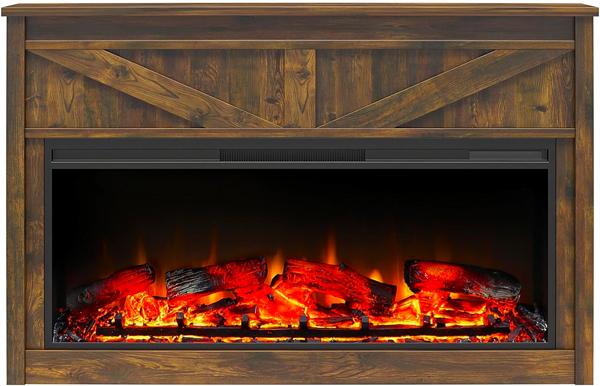
“Real” is a strong word—but modern faux fireplaces can look surprisingly convincing, especially in the evening when the room lighting is low. LED flame technology has improved a lot, and adjustable brightness, flame speed, and ember-bed lighting help sell the illusion.
Little-Known Fact: Some models even add realism with crackling sound effects, which makes the “fake fire” feel a lot more alive.
Will it perfectly replicate a real wood fire? No. But for most people, the combination of flicker, glow, and a well-designed mantel surround is more than enough to create that cozy fireplace feeling.
Regulations for Installing a Fake Fireplace and Mantel
Because electric fireplaces don’t produce real flames or exhaust, they typically don’t need venting permits like gas or wood units. That said, local rules can still apply—especially around electrical requirements, outlet load limits, and safe clearances from combustible materials.
If you’re renting, check your lease for any restrictions on “space heaters” or electrical appliances. And if you’re ever unsure about power draw or wiring, it’s smart to consult an electrician for peace of mind.
Frequently Asked Questions
Can I leave a faux fireplace on overnight?
Flame-only mode is often fine for extended use, but check your manual. If you’re using the heater, use the built-in timer and avoid running it unattended for long periods.
Will a faux fireplace heat a whole living room?
It depends on the room size and layout. Many units can comfortably warm small-to-medium rooms, but for large open spaces, think “supplemental heat,” not “main heat.”
Do I need a dedicated circuit?
Most standard mantel electric fireplaces plug into a normal outlet. If you’re also running other high-wattage appliances on the same circuit, you may trip a breaker—so spreading out power use helps.
Do the flames look better with logs or crystals?
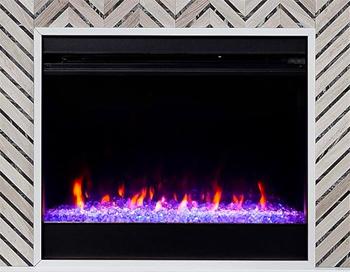
Logs usually feel more traditional and cozy. Crystals tend to look more modern and “designer.” If your unit offers both, you can match the look to your décor style.
How do I make a faux fireplace look more realistic?
Lower room lighting, adjust flame brightness to a natural level, and add simple mantel styling (candles, stacked books, framed art). If you want sound too, consider models or accessories that include crackle effects.
Reputable Resources for More Information
- National Fire Protection Association (NFPA)
- Underwriters Laboratories (UL) certification info
- U.S. Department of Energy (zone heating guidance)
In conclusion, a fake fireplace with a mantel is one of the simplest ways to add warmth, style, and “focal point” energy to a room—without the cost, mess, or safety concerns of a traditional hearth. If you choose a certified unit, follow clearance guidelines, and use the heater strategically for zone heating, you’ll get the cozy vibe with minimal hassle.