
Electric fireplaces are one of the easiest ways to add warmth and a cozy focal point. But here’s the catch: the placement is what makes it feel intentional. Put it in the wrong spot and it can look awkward, heat the wrong area, or compete with your layout.
The goal is simple: install it where it looks great, heats the space you actually use, and stays safely clear of anything that shouldn’t get warm. Let’s walk through the best locations room by room.
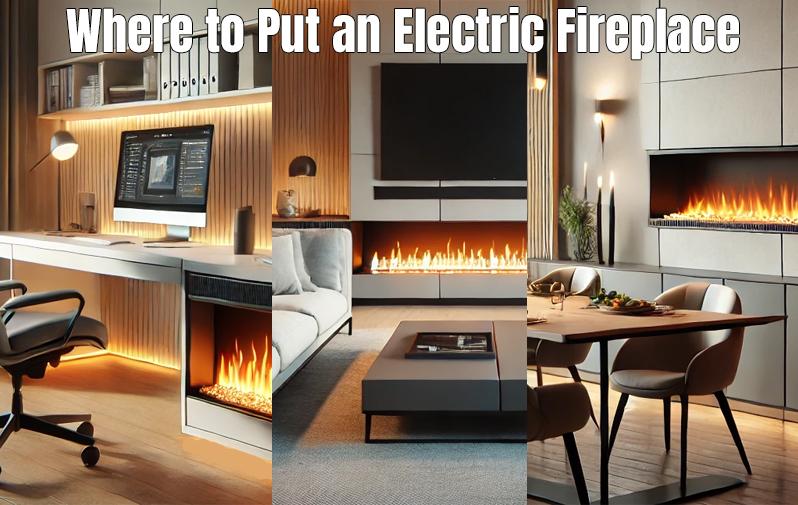
Before you get attached to a location, make sure you’re close to an outlet and away from anything flammable. You also want open space in front of the heater outlet so warm air can circulate instead of getting trapped.
Living Room: Make It the Main Feature
The living room is usually the best place for an electric fireplace because it’s where people naturally gather. For the strongest visual impact, aim for a central wall or a feature wall where the fireplace feels “anchored,” not random.
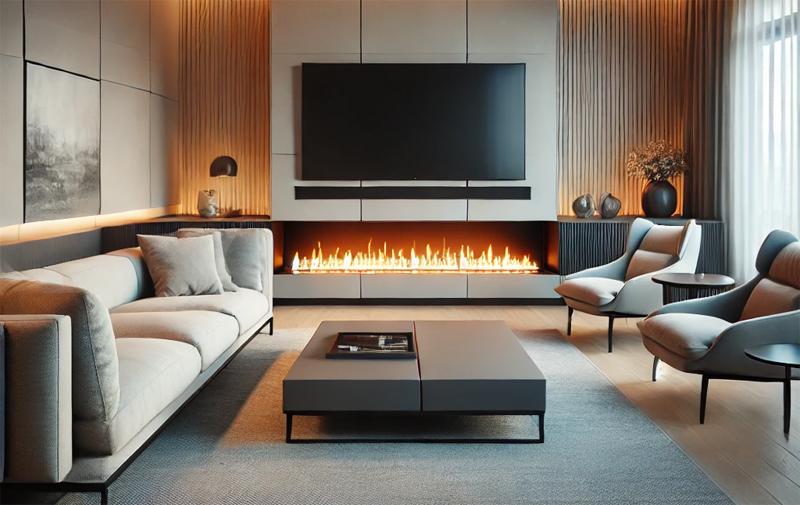
Installing it under a TV can look clean and modern. Just follow the manufacturer’s clearance guidelines so the TV doesn’t get cooked from rising heat. If you already have a traditional mantel setup, an easy upgrade is swapping the old wood fireplace for an electric insert. You keep the charm, lose the mess.
Checklist:
- ☐ Pick a central wall or feature wall
- ☐ Leave proper clearance from TVs, consoles, and furniture
- ☐ Consider an insert if you already have a mantel
Dining Room: Cozy Without Losing Space
The dining room is a sneaky-good spot for an electric fireplace. It makes dinners feel warmer and gives the room a “finished” vibe. The trick is placing it where it’s visible from the table but doesn’t interfere with chairs or walking paths.
If your dining area is tight, a slim wall-mounted fireplace keeps the floor clear while still adding that glow everyone loves at night.
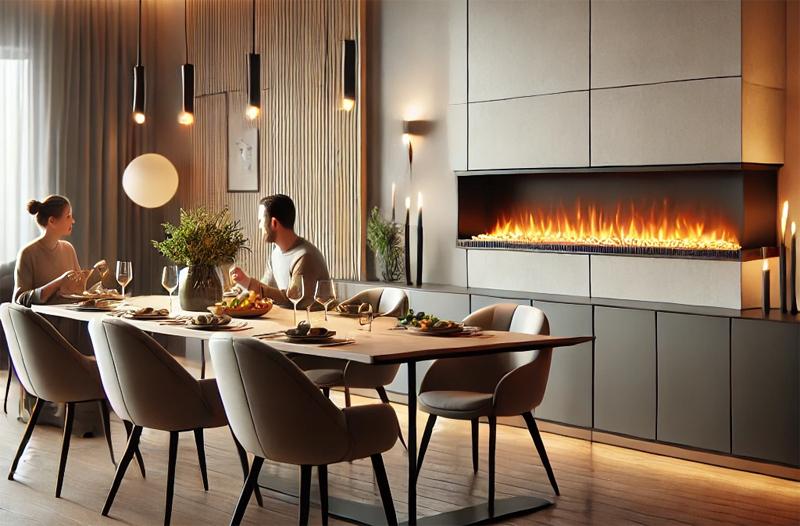
Example: Center a wall-mounted unit on a blank dining wall to add warmth and style, while keeping your floor space free for seating.
Bedroom: Calm, Quiet, and Comfortable
A fireplace in the bedroom is pure comfort—especially when it’s quiet. Look for a low-noise electric fireplace so the fan doesn’t become your new bedtime soundtrack.
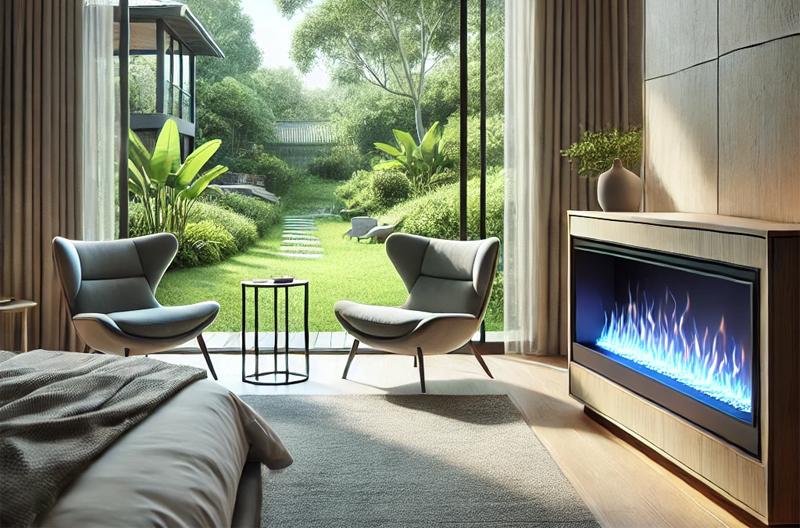
The best placement is usually the wall opposite the bed. That gives you the full visual effect and more even heat. If you’re working with a smaller room, a corner fireplace can create a cozy nook without taking over the layout.
Checklist:
- ☐ Choose a quiet model
- ☐ Place it opposite the bed when possible
- ☐ Use a corner unit if floor space is limited
Family Room: Warmth Meets Entertainment
Family rooms get used hard. People lounge, watch movies, play games, and hang out. An electric fireplace helps the room feel cozier without turning it into a construction project.
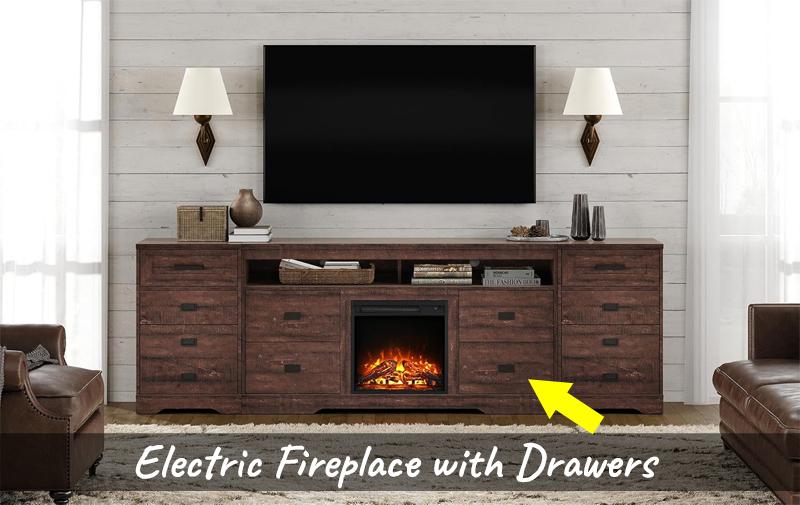
If the room is smaller, I love the idea of building it into an entertainment center. It looks intentional and adds storage. Just keep the fireplace far enough from electronics so heat can vent properly.
Example: A fireplace built into a media wall creates a natural centerpiece for movie nights and family hangouts.
Home Office: Warmth Without Distraction
An electric fireplace can make a home office feel less sterile. It adds warmth and makes long work sessions feel more comfortable. The key is placement that supports focus instead of stealing attention.
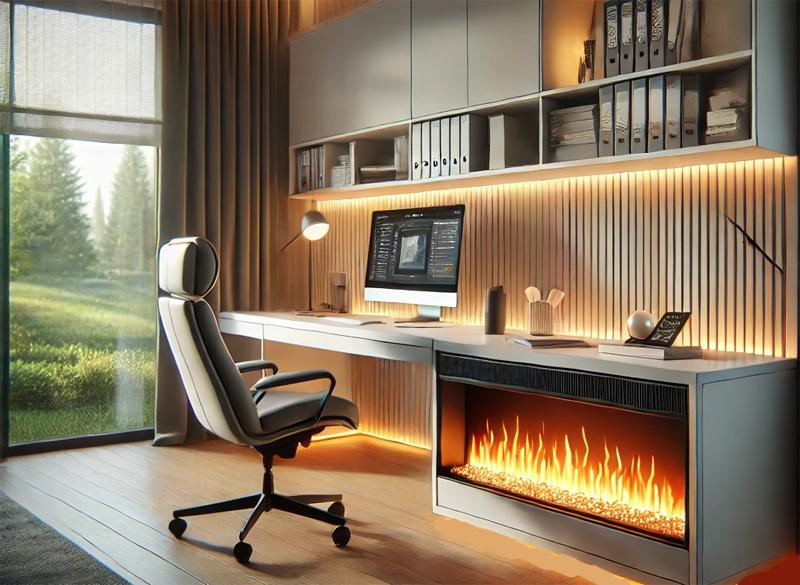
Place it close enough to warm your seating area, but not directly in your line of sight if you know the flames will pull your attention. In small offices, freestanding units or a wall-mounted fireplace are usually the cleanest fit.
Checklist:
- ☐ Near your desk, but not in your direct sightline
- ☐ Choose compact freestanding or wall-mounted styles
- ☐ Use it to soften the “office” feel
3 Common Placement Questions
Is it safe near electronics?
Usually, yes—if you respect clearance. A common rule of thumb is at least 12 inches above and 3 feet in front, but your exact model’s manual is the final word.
Will it match my room style?
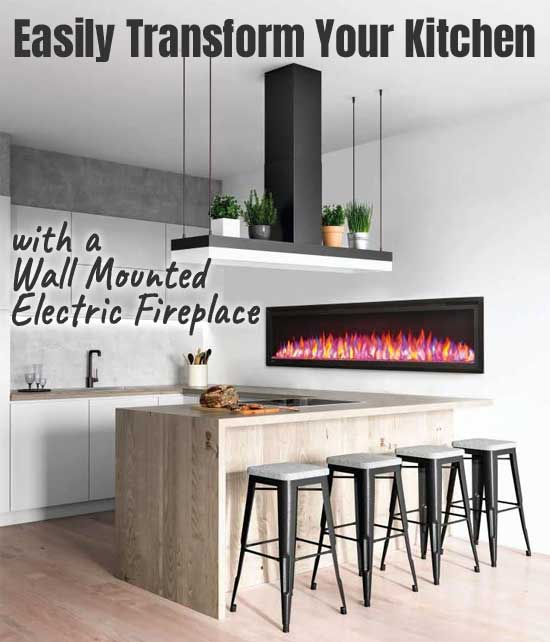
Yes. Modern electric fireplaces come in everything from sleek black glass to rustic mantel styles. If you want it to look built-in, custom cabinetry or a media wall setup can make it feel seamless.
Can I install it myself?
Often, yes. Freestanding units are plug-and-play. Wall-mounted models usually install with a bracket and basic tools. If you’re cutting into drywall or wiring a dedicated circuit, that’s when you bring in a pro.
Reputable Resources for More Information
- National Fire Protection Association (NFPA): Home heating safety tips
- U.S. Consumer Product Safety Commission (CPSC): Heater and safety guidance
- U.S. Department of Energy (Energy Saver): Zone heating basics
Frequently Asked Questions
Can I put an electric fireplace under a TV?
Yes, as long as you follow the manufacturer’s clearance requirements. Heat rises, so spacing matters.
How far should furniture be from the front?
Leave enough open space so airflow isn’t blocked. Three feet in front is a common guideline, but check your manual.
Do electric fireplaces need ventilation?
No venting is needed. But you still need open airflow around the heat outlet.
Is a bedroom fireplace safe?
It can be, especially with overheat protection and responsible placement away from bedding and curtains.
Should I use an extension cord?
It’s better not to. If you must, use a heavy-duty cord rated for the fireplace’s wattage and keep it fully uncoiled.
Conclusion
The best electric fireplace placement is the spot where it looks intentional, heats the right zone, and stays safely clear of anything sensitive. Living rooms and family rooms are the obvious winners, but bedrooms, dining rooms, and home offices can be fantastic too when you plan the layout.