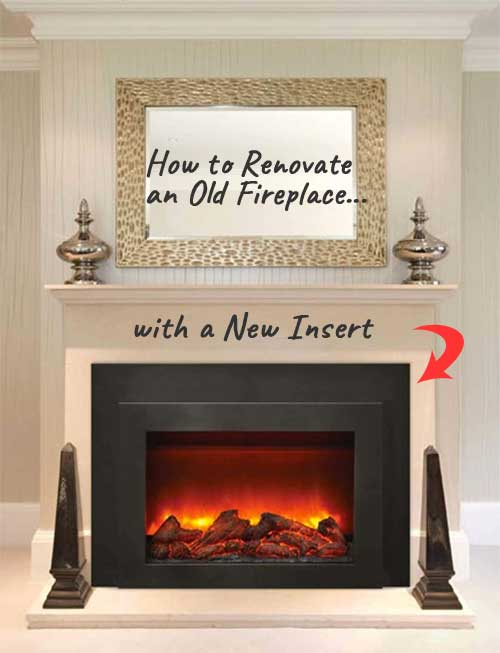
Want the look of a real hearth without hauling wood, cleaning ash, or worrying about drafts? Converting an old wood-burning fireplace into a modern electric one is one of the easiest “big impact” upgrades you can do. You keep the cozy focal point, but swap the mess and maintenance for plug-and-play convenience.
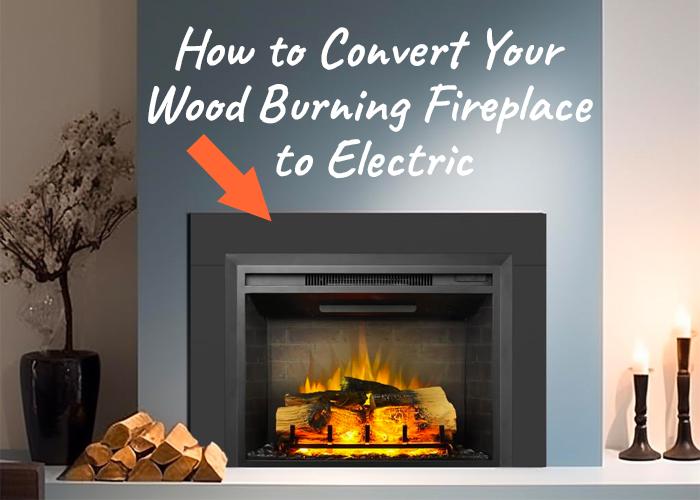
Bottom line: you get flames on demand, optional heat, and a cleaner living room. Let’s walk through what the conversion actually involves—and how to make it look like it was always meant to be there.
Fireplace Conversion Basics (What “Conversion” Really Means)
A wood-to-electric conversion is basically a “swap the working parts” project. You’re not rebuilding your house—you’re replacing the old wood-burning function (logs, ash, soot, chimney draft issues) with an electric insert or electric log set that sits inside the existing firebox.
Wood fireplaces need ongoing upkeep and safe venting. Electric units use LED flame effects and an electric heater (optional) to create that warm glow—without sparks, smoke, or cleanup. You’ll also gain much better control over temperature and run-time.
Why People Switch to Electric
- Easy daily use: Push a button, grab the remote, set a timer—done.
- Better control: Many inserts let you set a thermostat and choose flame-only mode when you don’t want heat.
- More efficient “target heating”: Warm the room you’re actually in instead of running central heat for the whole house.
- Cleaner + lower maintenance: No ash, no soot, no chimney sweeping schedule.
- Safer vibe: No flying embers, no open flame, and most models include overheat protection.
If your current fireplace is more “decorative dust collector” than “actually used,” electric is usually the most satisfying upgrade for the effort.
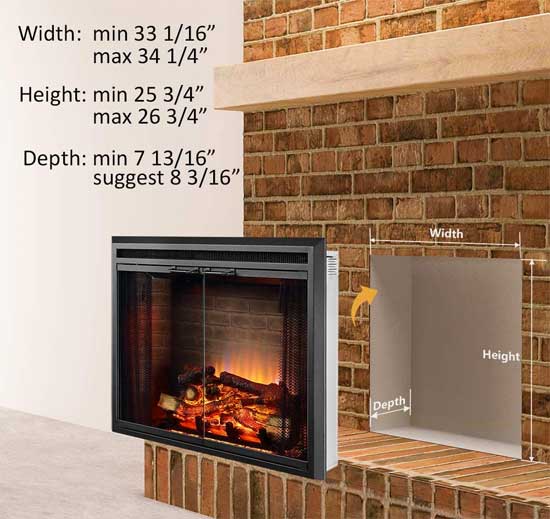
Step 1: Check Your Fireplace Opening (This Matters Most)
Before you buy anything, measure your fireplace opening carefully. Write down:
- Front opening width (left to right)
- Opening height (floor of firebox to lintel)
- Depth (front to back)
- Back width (some fireboxes taper)
Also decide how you want to power it: plug-in (simpler) or hardwired (cleaner look, usually electrician territory). If your nearest outlet is far away, plan that route now so you’re not improvising later.
Step 2: Pick the Right Electric Insert for Your Style
There’s no single “best” insert—there’s a best fit for your room and expectations. A few popular directions:
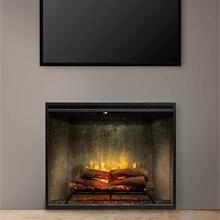
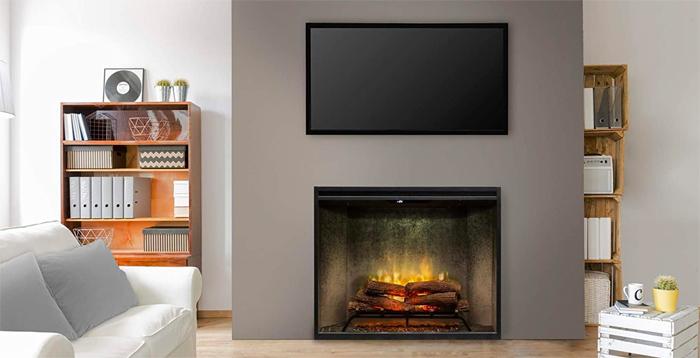
Want quiet, steady warmth? Look at infrared heat fireplaces. Want that extra cozy vibe? Go for an electric fireplace with wood crackling sounds. If flame realism is your top priority, the Dimplex Revillusion style insert is hard to beat for depth and “ember” glow.
Two quick buying filters that save you headaches:
- Heat output: Make sure it matches your space. Many inserts are “supplemental heat,” not whole-house heat.
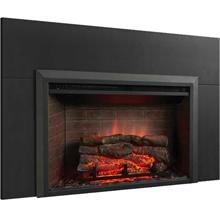
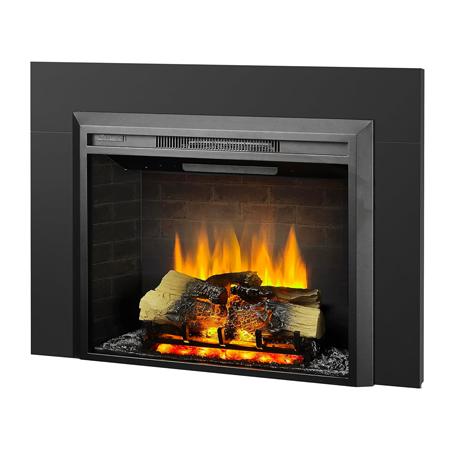
- Finishing: If your opening is a weird size, plan on a surround or trim kit to cover side gaps for that built-in look.
The 7-Step Wood-to-Electric Conversion Process
This is the “what you’ll actually do” part. Most conversions follow the same flow:
- Remove old debris: Clear ash, soot, and leftover log bits. You want a clean workspace.
- Disable wood-burning use: You’re converting, not keeping both options. Close the damper and treat the firebox as a housing for the insert.
- Inspect the firebox: Look for crumbling brick, loose panels, or anything unstable that needs attention.
- Measure again: Double-check the opening, depth, and any tapering before you commit.
- Plan power: Decide plug vs hardwire and confirm you have a safe path to an outlet.
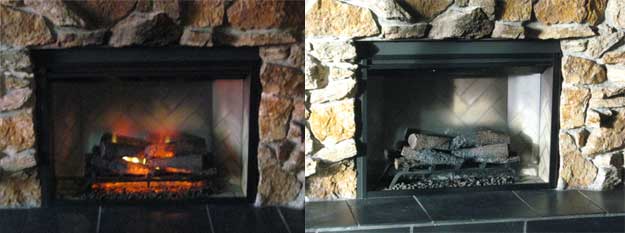
- Set the insert in place: Slide the insert in, level it, and make sure vents aren’t blocked.
- Finish the edges: Add a trim kit/surround if needed so it looks clean and intentional.
You can DIY parts of this, but if you’re modifying wiring, hardwiring the unit, or you’re unsure about clearances, it’s worth bringing in a pro. A clean install is what makes it feel like a real upgrade.
What Does It Cost to Convert a Fireplace?
Most homeowners land somewhere between $500 and $3,000 for a wood-to-electric conversion using an insert. The insert itself is often $200 to $1,500, and installation labor can run $300 to $1,500 depending on complexity.
NOTE: Extra costs can include electrical work (often $200–$500) and removing old wood-burning components (commonly $100–$300). Prices vary based on your area, the insert you choose, and whether hardwiring is involved.
If you’re shopping around, it helps to think in two buckets: (1) the unit itself, and (2) the “make it look built-in” finishing work. For a deeper dive into one conversion approach, see converting your fireplace to electric.
NOTE: You can also go cheaper with an electric log set. Just keep expectations realistic—the EPA notes many decorative log options are primarily for ambiance rather than big heat output.
Maintenance and Safety Tips After the Upgrade
Electric fireplaces are low-maintenance, but a little routine care keeps them running quietly and safely:
- Keep it dust-free:
- Dust the exterior and wipe vents so airflow stays strong.
- A vacuum with a brush attachment works great around the trim.
- Check the cord and plug:
- Look for damage, kinks, or heat marks.
- If anything looks off, unplug and get help.
- Don’t block the heater vents:
- Keep décor, baskets, and rugs away from intake/outlet vents.
- Give the unit breathing room so it doesn’t overheat.
- Be smart with power:
- Use a dedicated outlet when possible.
- If you absolutely must use an extension cord, make sure it’s properly rated for the fireplace load.
Frequently Asked Questions
Can I keep using my wood fireplace later?
Once you install an electric insert as a conversion, most people treat the fireplace as “electric only.” If you want true dual-use, that’s a different project and usually involves different safety and venting decisions.
Do I need a dedicated circuit?
Not always, but it’s a great idea—especially if the insert uses a 1500W heater and the room already has other high-draw devices (space heaters, hair tools, gaming PCs, etc.). A dedicated outlet reduces nuisance breaker trips.
Will it still look “real” without a chimney fire?
Many modern inserts look surprisingly lifelike, especially models with deeper fireboxes, glowing ember beds, and optional sound. If realism is your priority, prioritize flame depth and ember detail over “extra features.”
Do I need a trim kit or surround?
If your fireplace opening is larger than the insert, yes—this is how you hide side gaps and get that finished, built-in look. If your opening is a perfect fit, you may not need it.
Is hardwiring worth it?
Hardwiring usually looks cleaner (no visible cord) and can feel more “permanent.” Plug-in is simpler and more renter-friendly. If you’re unsure, plug-in is the safer, easier starting point.
Reputable Resources for More Information
- EPA: Choosing Wood-Burning Appliances (Burn Wise)
- UL (Underwriters Laboratories): Safety Standards & Certification
- NFPA (National Fire Protection Association): Home Heating Safety
Conclusion: Is Converting to Electric Worth It?
If you want a cleaner, easier fireplace experience—and you’d actually use your fireplace more if it weren’t such a production—then yes, converting to electric is usually a win. You’ll get a cozy focal point, safer operation, and simple temperature control without the constant upkeep that comes with wood-burning fires.
Measure carefully, pick an insert that fits your space and style, and don’t be shy about bringing in a pro for electrical work. When the trim is clean and the fit is snug, your “old fireplace” suddenly feels brand new.