Choosing an electric fireplace isn’t just about looks. The right features can dramatically improve efficiency, comfort, and long-term operating costs—without sacrificing style. When you know what to look for, you can enjoy cozy heat while keeping energy use in check.
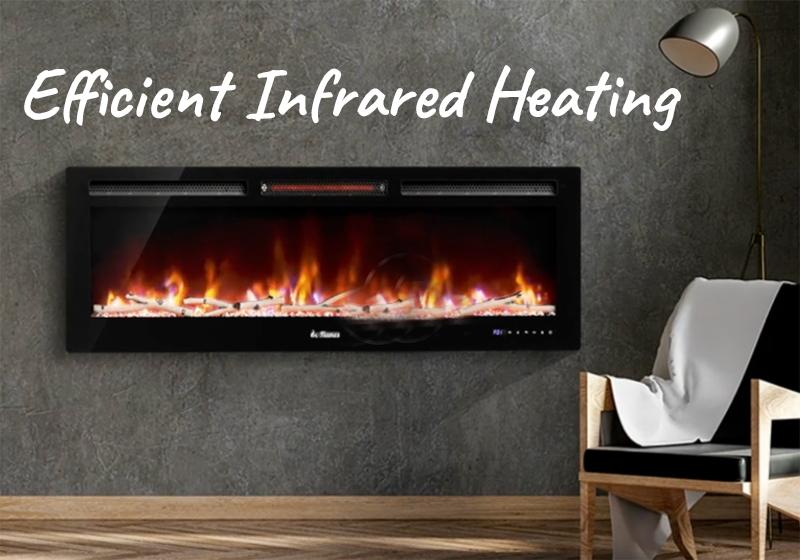
1. Adjustable Thermostat Control
A built-in thermostat lets you dial in the exact temperature you want. Instead of blasting heat nonstop, the fireplace cycles on and off as needed. That means a more comfortable room and less wasted electricity. Models with multiple heat levels work best for changing weather.
2. LED Flame Technology
Modern fireplaces rely on LED flame systems to create realistic visuals using very little power. LEDs last for years, consume minimal electricity, and let you enjoy the flame effect even with the heater turned off.
3. Built-In Timer
A timer automatically shuts the unit off after a set time. This is one of the easiest ways to prevent unnecessary run time—especially at night or during busy evenings when you might forget to turn it off.
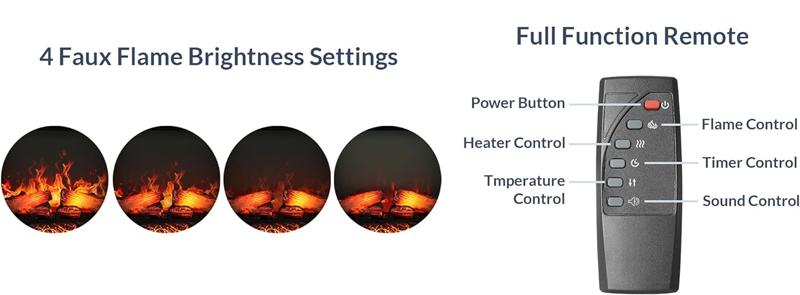
4. Remote Control Convenience
Remote controls make it easier to fine-tune settings. When adjustments are simple, you’re more likely to lower heat output or switch to flame-only mode—both of which save energy.
5. Overheat Protection
Safety features matter for efficiency too. Automatic shut-off prevents overheating, reduces unnecessary energy use, and protects internal components from wear.
6. Flame-Only (Dual-Mode) Operation
Dual-mode fireplaces allow you to enjoy the visual effect without heat. This feature is perfect for warmer months and keeps operating costs extremely low.
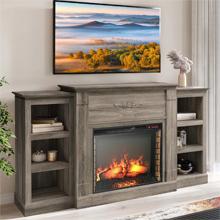
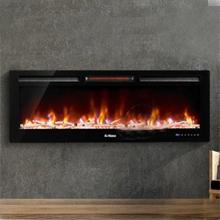
Popular Efficient Fireplace Styles
Are Infrared Electric Fireplaces More Efficient?
In most cases, yes. An infrared electric fireplace is often more cost-effective than standard convection models.
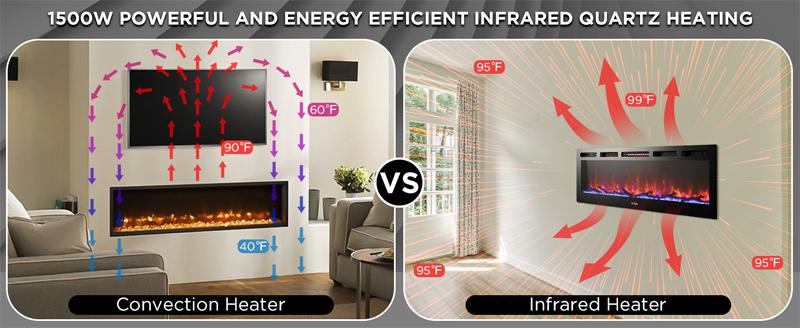
Why infrared wins:
- Heats people and objects directly instead of warming air
- Reaches comfort temperature faster
- Ideal for zone heating specific rooms
Standard electric fireplaces still work well in smaller, well-insulated spaces, but infrared models typically deliver better efficiency overall.
What to Avoid When Shopping
- No thermostat control – wastes power
- High wattage with weak heat output
- Missing timer function
These features directly impact long-term operating costs.
Why Electric Fireplaces Save Money
- No venting or chimney costs
- No wood, gas, or pellet fuel
- Minimal maintenance
Fuel Type / Avg Annual Cost Maintenance:
Wood $400+ High
Pellet $300–$500 Moderate
Gas $200–$600 Moderate
Electric $50–$250 Low
Note: Actual costs vary based on usage, insulation, and electricity rates.
Frequently Asked Questions
Do electric fireplaces really look realistic?
Yes. LED flame technology has improved dramatically. Higher-end models look far more realistic than budget units and may include crackling sound effects.
Are electric fireplaces expensive to operate?
Not usually. Most households spend between $50 and $250 per year, especially when using flame-only mode.
Can an electric fireplace heat a large room?
Some high-output infrared models can heat 800–1,000 square feet. Ceiling fans help distribute warmth evenly.
The Bottom Line
An efficient electric fireplace combines smart controls, LED flames, timers, and infrared heating to deliver warmth without wasted energy. Avoid models that lack temperature control or timers, and use simple efficiency tips like sealing drafts and circulating air.
Compared to wood, gas, or pellet fireplaces, electric options are easier, cleaner, and far more budget-friendly over time.