
When temperatures drop, most of us start doing the same math: “What’s the easiest way to stay warm without running up the utility bill?” Two of the most common answers are electric fireplaces and portable space heaters. Both can work great, but they solve slightly different problems—so it helps to know what you’re really buying.
In this guide, I’ll break down how each option works, what they’re best at, and how to choose the right one for your room and routine.
What Counts as an Electric Fireplace?
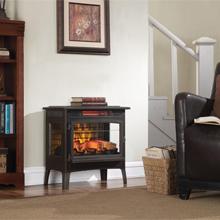
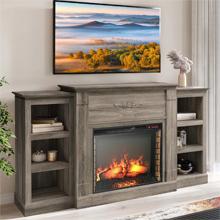
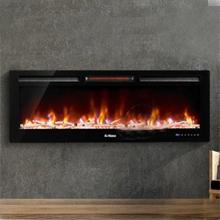
An electric fireplace is basically a heater wrapped in a “fireplace experience.” You get flame visuals (usually LEDs) plus optional heat. The best part is you get the cozy look without smoke, soot, or venting.
Some models are freestanding stoves, some look like full mantels, and others are sleek linear wall units. Many can run flames without heat, which is perfect when you want the vibe but don’t need extra warmth.
Why People Love Electric Fireplaces
- They upgrade the room: A fireplace instantly feels like a focal point, even when it’s off.
- Built-in safety helps: Many include overheat protection and auto shutoff, which reduces worry.
- Great for zone heating: They’re designed for targeted comfort in the rooms you actually use.
What to Watch Out For
- Not whole-house heat: Most are best for small to medium areas, not an entire home.
- Some installs take effort: Wall units and built-ins may require mounting or light construction.
How Space Heaters Fit In
Space heaters are straightforward. They’re portable devices meant to warm a specific spot, fast. You’ll see several styles, like fan-forced ceramic heaters, radiant heaters, and convection heaters.
If you want quick warmth right where you’re sitting, a space heater is hard to beat. They’re also easy to store when you’re not using them.
Space Heater Upsides
- Portable by design: Carry it to the office, bedroom, or even the bathroom (with the right safety rating).
- Fast heat: Many warm a small room quickly, which feels great on cold mornings.
- Lower buy-in cost: In general, you can spend less upfront than on a full fireplace unit.
Where Space Heaters Fall Short
- Higher safety stakes: Bad placement, clutter, or leaving it unattended can create real risk.
- Noise can be annoying: Fan heaters can be noticeable in bedrooms or quiet offices.
Electric Fireplace vs Space Heater
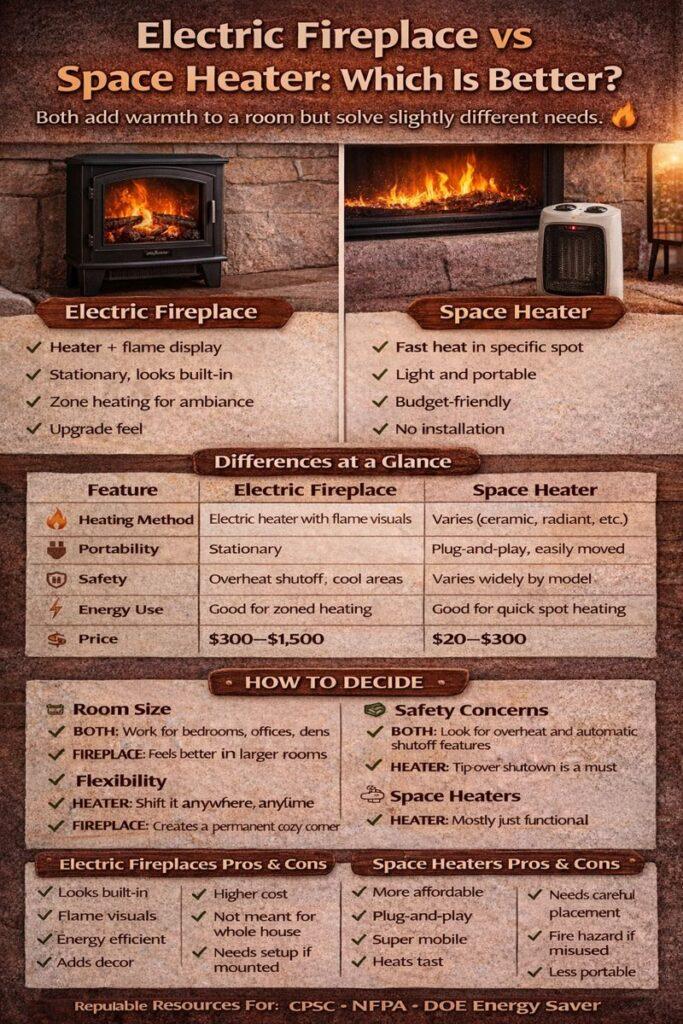
| Feature | Electric Fireplace | Space Heater |
|---|---|---|
| Heating Method | Electric heat + flame visuals | Varies (ceramic, radiant, convection) |
| Portability | Usually stays put | Easy to move room to room |
| Safety Features | Often includes shutoff and cool-touch areas | Varies widely by model |
| Energy Efficiency | Good for zone heating | Also good for spot heating |
| Upfront Cost | Typically higher | Typically lower |
Here’s the simple takeaway: if you want something that looks great and feels “built into the room,” an electric fireplace usually wins. If you want the cheapest, fastest way to heat the exact spot you’re in, a space heater is often the better tool.
How to Choose the Right Option
Use these decision points to make it easy:
1. Room Size and Heat Expectations
For a bedroom, office, or den, either option can work well. For larger living rooms, an electric fireplace often feels more natural because it’s designed to be a room feature, not just a utility device.
2. Operating Costs
Both use electricity, and many land in a similar range per hour at full power. The bigger cost factor is how often you run it—and whether you’re heating one room or trying to heat the whole house.
3. Safety Features You Should Not Skip
Look for overheat protection and automatic shutoff. For portable heaters, tip-over protection matters too. Also, avoid running high-watt heaters on flimsy extension cords.
4. The “Do I Care How It Looks?” Question
If aesthetics matter, fireplaces win. They add ambience all year, especially if you can run flames without heat. Space heaters are usually more “functional object” than décor.
5. Flexibility
If you want one device you can move between rooms, choose a space heater. If you want a permanent cozy corner, choose a fireplace.
Cost Comparison
Here’s a practical look at typical costs. Real numbers vary by model and your electricity rate, but the ranges below are a useful starting point.
| Heating Solution | Average Purchase Price | Average Operating Cost (per hour) | Installation Cost |
|---|---|---|---|
| Electric Fireplace | $300 – $1,500 | $0.15 – $0.30 | $100 – $300 (if needed) |
| Space Heater | $30 – $300 | $0.10 – $0.20 | No installation required |
Pros and Cons Summary
If you’re still torn, this is the fast gut-check.
Electric Fireplaces
| Pros | Cons |
|---|---|
| Looks like a room feature | Costs more upfront |
| Easy and safe to operate | Not meant for whole-house heat |
| Efficient zone heating | Some styles require mounting |
| Flames add ambiance | Less portable |
Space Heaters
| Pros | Cons |
|---|---|
| Budget-friendly options | Not decorative |
| Move it anywhere | Needs careful placement |
| Fast warmth | Some are noisy |
| No installation | May not heat big areas well |
Frequently Asked Questions
Do electric fireplaces heat as well as space heaters?
Often, yes. Many electric fireplaces use similar wattage to a standard portable heater. The difference is usually style, airflow design, and where the heat exits.
Which is safer?
Both can be safe if used correctly. Fireplaces often feel safer because they’re more stable and built like furniture. Space heaters require more discipline about clearance and supervision.
Can I leave either one on all night?
It depends on the model and your comfort level. If you do, use the lowest heat setting, keep clearance, and rely on units with overheat protection and automatic shutoff.
Do electric fireplaces need ventilation?
No. That’s one of their biggest advantages. There’s no combustion, so there’s nothing to vent.
What’s best for a bedroom?
If you want quiet and simple, an electric fireplace can be great. If you want targeted heat near the bed, a space heater works—just keep it clear of bedding and furniture.
Reputable Resources for More Information
- U.S. Consumer Product Safety Commission (CPSC): space heater safety guidance and recalls
- National Fire Protection Association (NFPA): home heating safety tips
- U.S. Department of Energy (Energy Saver): zone heating and winter energy-saving basics
Conclusion
If you want a warmer room and a cozier vibe, an electric fireplace is usually the more satisfying upgrade. If your goal is simple, portable, quick heat at the lowest price, a space heater is often the practical choice.
Either way, focus on safe placement, the right heat level for your room, and features like overheat protection. Do that, and you’ll be comfortable all winter without overcomplicating it.