1) How Does an Electric Fireplace Work?

Electric fireplaces are basically two things in one: a space heater plus a flame “show.” Inside the firebox, a heating element (often a coil or ceramic style) warms up, and a built-in fan pushes that warm air out into the room.
The flames are visual only. Most models use LED lighting and reflective panels (or screens) to create a flicker effect. The best part? The flame display and the heater are typically separate controls—so you can run the flames with heat, or enjoy the glow with no heat at all.
Because there’s no real combustion, there’s no smoke, no gas line, and no chimney required. That’s why electric units are usually simpler (and cheaper) to add to a home than wood-burning or gas fireplaces—and you can place them in more locations.
2) What Are the Biggest Benefits of Electric Fireplaces?
Electric fireplace inserts and freestanding models can be a huge upgrade if you want ambiance and convenience without the mess. Here’s what people tend to love most:
1. Easy, low-stress setup: No chimney, no venting, and no fuel to store. Many homeowners can handle a basic install themselves, depending on the style they choose.
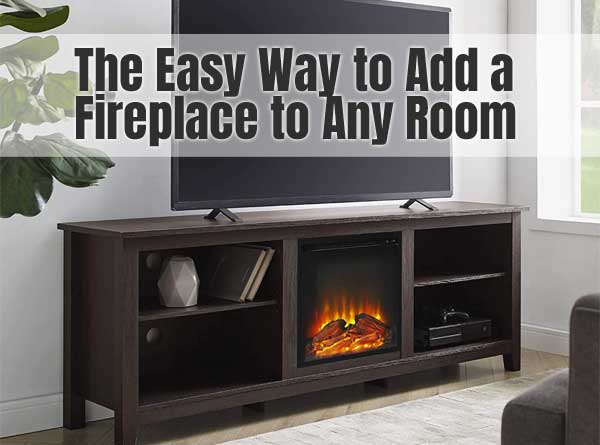
Note: You’ve got options. Some fireplaces hang on the wall. Others are freestanding and plug in. You can also go with TV console fireplaces, or portable heaters that mimic a wood stove.
2. Push-button convenience: Most units include a remote, plus a timer or auto shut-off. Translation: you can “have a fire” without getting off the couch.
3. Zone heating potential: They’re great for warming the room you’re actually using, instead of paying to heat the whole house. And flame-only mode is typically very cheap to run.
4. Cleaner and safer feel: No smoke, no soot, and no ash. And since the flames aren’t real, many models keep the front glass cooler than a traditional fireplace—helpful if you’ve got kids or pets in the mix.
5. Style range is wild: From ultra-modern glass ember beds and color flames to more rustic mantels, you can match almost any décor style.
6. No yearly chimney drama: No creosote, no chimney sweep appointments, and no “what is that smell?” moments when you first light it up for the season.
If you love a modern look, the newer high-tech fireplaces can feel super upscale with wide viewing areas and color options. If you want cozy cabin vibes, check out wood-and-stone mantel styles that come as a complete package.
3) Are Electric Fireplaces Actually Energy Efficient?
They can be—if you use them the right way. Electric fireplaces shine as supplemental heat (aka zone heating). Warm the living room while you’re in it, then shut it off when you head to bed. For a deeper breakdown, see: What it costs to run an electric fireplace.
4) Can You Put an Electric Fireplace in Any Room?
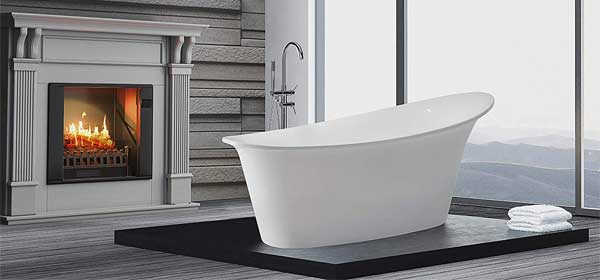
Pretty close, yes—as long as you have the right clearance and safe electrical access. People commonly add them to bedrooms, offices, dining rooms, entryways, and even bathrooms (when installed properly and following the manufacturer’s rules).
Most models are intended for indoor use only. If you want flames on a deck or patio, look specifically for units rated for the outdoors like these: outdoor-rated electric fireplaces.
5) Do Electric Fireplaces Produce Real Heat?
Yep. Many common models are designed to heat roughly 400 square feet, while larger or specialty units may claim up to 1,000 square feet. You’ll often get two heat settings, and some units include a thermostat so you can hold the room at a comfortable temp.
6) Are Electric Fireplaces Safe?
For most homes, they’re one of the “easier to live with” fireplace options. There’s no carbon monoxide from combustion, no flying embers, and no smoke. Many units also include overheat protection and a timer shutoff, which is great if you’re the type who falls asleep mid-movie.
7) Can an Electric Fireplace Be Your Main Heat Source?
Sometimes—but it depends on the space and your expectations. Electric fireplaces are usually marketed as supplemental heaters. They’re best at keeping a primary “hangout room” comfortable.
That said, if you’ve got a small cabin, studio, or tiny home under about 1,000 square feet, a high-capacity electric unit may cover the space in mild weather. In colder climates, most people still like having a backup heat source.
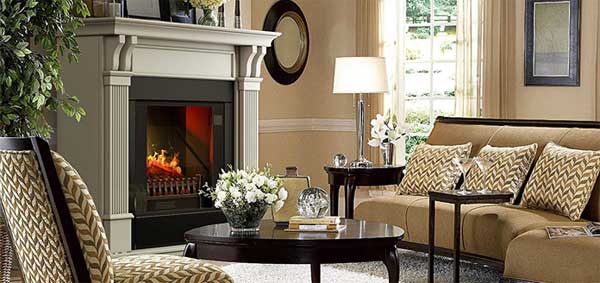
8) What Maintenance Do Electric Fireplaces Need?
Maintenance is usually minimal, but you’ll want to keep things clean and safe. Here are solid “general” habits:
- Dust the glass and surround using a dry microfiber cloth.
- Make sure cords and connections look solid—no pinching, fraying, or loose plugs.
- Check the heater output occasionally. If airflow seems weak, confirm vents aren’t blocked by dust or décor.
- If your model uses replaceable bulbs (many don’t), swap them only with the type listed in the manual.
9) How Hard Is It to Install an Electric Fireplace?
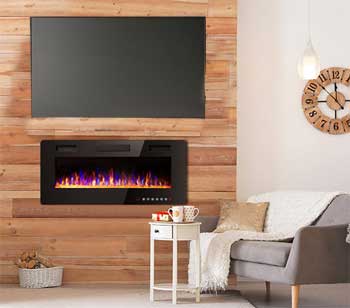
Installation ranges from “easy-peasy” to “plan it out.”
Fastest installs: freestanding, TV stand, and many wall-hung units. You position the unit, plug it in, and you’re basically done.
More involved installs: recessed inserts and built-ins. These usually require cutting an opening, framing, and often hardwiring—so a pro or a confident DIYer is the safer route. If you like the recessed look without cutting drywall, some people build a 2×4 mantel/frame so the unit sits “inside” the surround.
10) What Should You Look for When Buying?
- Type: Freestanding, wall-mounted, TV console, insert, or built-in.
- Size: Match the fireplace width to the wall and room scale (bigger rooms usually need wider units).
- Heating capacity: Choose a realistic square-foot rating for your main room—not your entire house.
- Style: Modern vs rustic vs traditional. Start here: compare fireplace styles.
- Media bed: Logs and embers, or crystals/fire glass?
- Budget: Many good options start a few hundred dollars, with premium models going $2,000+.
- Smart controls: Some newer models are “smart fireplaces” you can control from your phone.
- Install reality check: Do you want plug-and-play, or are you okay with framing/hardwiring?
Frequently Asked Questions
Do electric fireplaces need their own circuit?
Some can share a circuit, but if you’re running the heater on high plus other heavy loads (hair dryer, microwave, space heater), you may trip a breaker. If this is going in a busy room, a dedicated circuit can be a smart upgrade.
Is flame-only mode really that cheap?
Usually, yes. LEDs sip power compared to running the heater. It’s one of the reasons people like electric fireplaces for year-round ambiance.
Can I put one under a TV?
Often yes, but follow the manufacturer’s clearance requirements. Also make sure the heat vent blows outward (not straight up into the TV area).
Do the flames look fake in person?
Some budget models look “flat,” while higher-end units add depth, better flicker effects, and nicer ember beds. If realism matters, prioritize flame quality and viewing angle in your comparisons.
What’s the easiest style for renters?
Freestanding mantels, TV stands, and plug-in wall units are usually the most renter-friendly because they don’t require permanent venting or gas lines.
Reputable Resources for More Information
- Electric fireplace operating cost guide
- Electric wall fireplace styles and comparisons
- Portable electric fireplace heaters overview
Conclusion
If you want cozy flames without smoke, ash, or a big renovation, an electric fireplace is hard to beat. The key is matching the type (wall, insert, TV stand, freestanding) to your space and picking a realistic heating goal—think “comfort in the room I’m in,” not “replace my whole HVAC.” Nail those basics, and you’ll end up with a fireplace you actually use all the time.