If you love the look of a fireplace and also want usable heat, you’re not alone. One of the most common questions people ask is whether electric fireplaces actually give off heat or if they are just decorative.
The short answer is yes. Many electric fireplaces produce real heat and can warm a room much like a high-quality space heater. The key is understanding how much heat they provide and where they work best.
How Electric Fireplaces Produce Heat
Electric fireplaces do not burn fuel or create real flames. Instead, heat is generated by a built-in electric or infrared heating element. This makes operating costs predictable and easy to calculate.
Watts × Electricity Rate × Hours of Use
You can estimate operating costs by multiplying the unit’s wattage by your local electricity rate and how long you run the fireplace. A 1500-watt electric fireplace running eight hours per day at $0.15 per kWh costs about $1.80 per day.
You can refine your estimate using this electricity cost calculator.
Many electric fireplaces also include dual heat settings, typically 750 watts and 1500 watts. Lower settings are ideal for mild days and help reduce energy use.
Why Electric Fireplaces Can Save You Money
One major advantage electric fireplaces have over gas or wood models is flexibility. You can run the flame effect with or without heat. This allows you to enjoy the ambiance year-round for only pennies per hour.
Maintenance costs are another overlooked factor. Electric fireplaces require no chimney cleaning, no gas servicing, and very few replacement parts. As a result, they often last longer with lower ownership costs.
Built-In Controls That Reduce Energy Waste
Electric fireplaces are efficient because they offer precise control that traditional fireplaces cannot match.
- Precise thermostats maintain steady room temperatures.
- Variable heat output lets you match power to weather conditions.
- Timers prevent unnecessary all-day or overnight operation.
How Much Heat Do Electric Fireplaces Produce?
Most electric fireplaces generate between 4,000 and 9,000 BTUs. This is usually enough to heat 500 to 1,000 square feet, depending on insulation and layout.
- Wood-burning fireplaces: 20,000–100,000 BTUs
- Gas fireplaces: 7,000–30,000 BTUs
- Electric fireplaces: lower output, but minimal heat loss
Because electric fireplaces do not vent outdoors, nearly all the heat they produce stays in the room.
Do Electric Fireplaces Heat Evenly?
Electric fireplaces generally heat evenly using fan-forced systems. However, room layout, furniture placement, and airflow can affect heat distribution.
- Place the fireplace near the center of the room when possible.
- Avoid blocking vents with furniture.
- Use ceiling fans on low to circulate warm air.
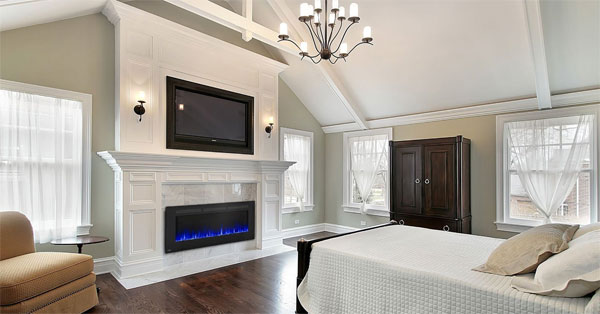
How to Maximize Heat Without Increasing Cost
Room size, ceiling height, insulation, and climate all affect performance. Electric fireplaces are most efficient in small to medium-sized rooms.
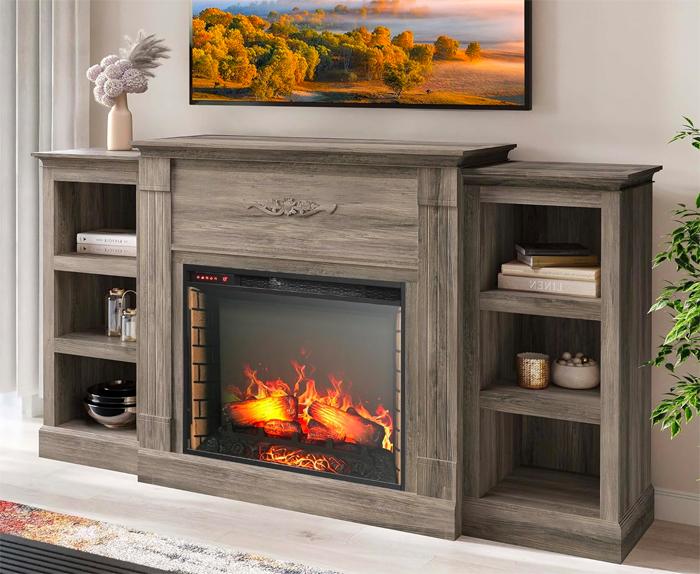
For best results, use electric fireplaces in rooms under 1,000 square feet. In larger rooms, use flame-only mode for ambiance.
Frequently Asked Questions
Can an electric fireplace replace my furnace?
No. Electric fireplaces work best as supplemental heat sources.
Is infrared heat better than fan-forced heat?
Infrared heats objects directly, while fan-forced heat warms the air more evenly.
Is it safe to run an electric fireplace overnight?
Many models are safe when equipped with timers and overheat protection.
Do electric fireplaces dry out the air?
No. They do not remove moisture from the air.
Conclusion
Electric fireplaces do provide real heat and are an efficient way to warm smaller spaces. They offer steady warmth, easy controls, and low maintenance, making them a practical choice for many homes.